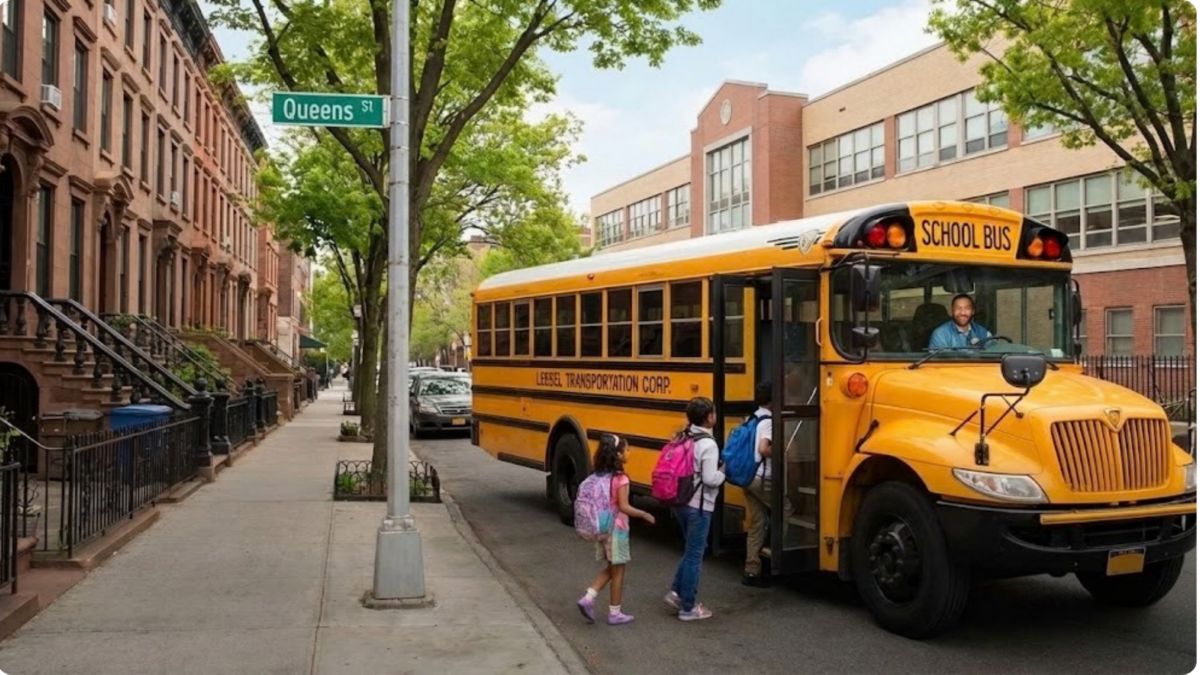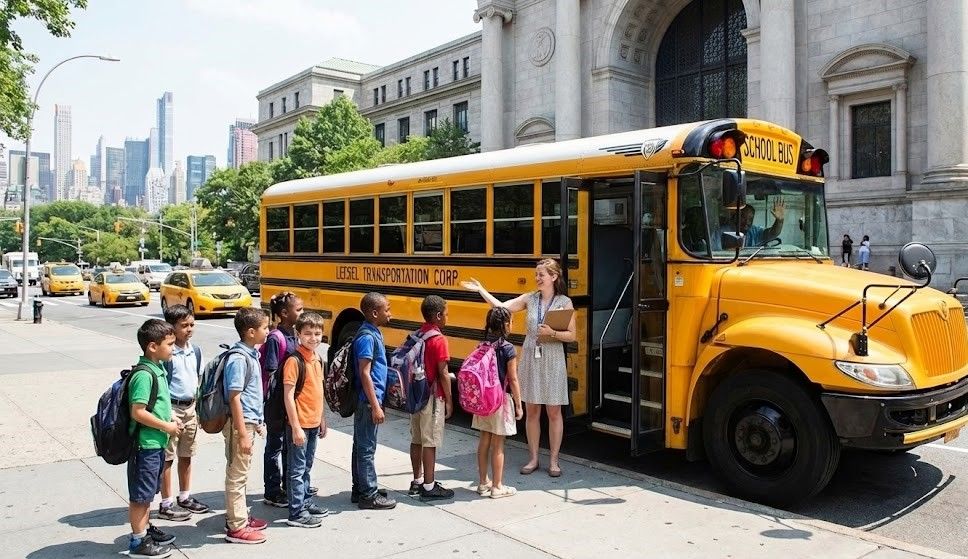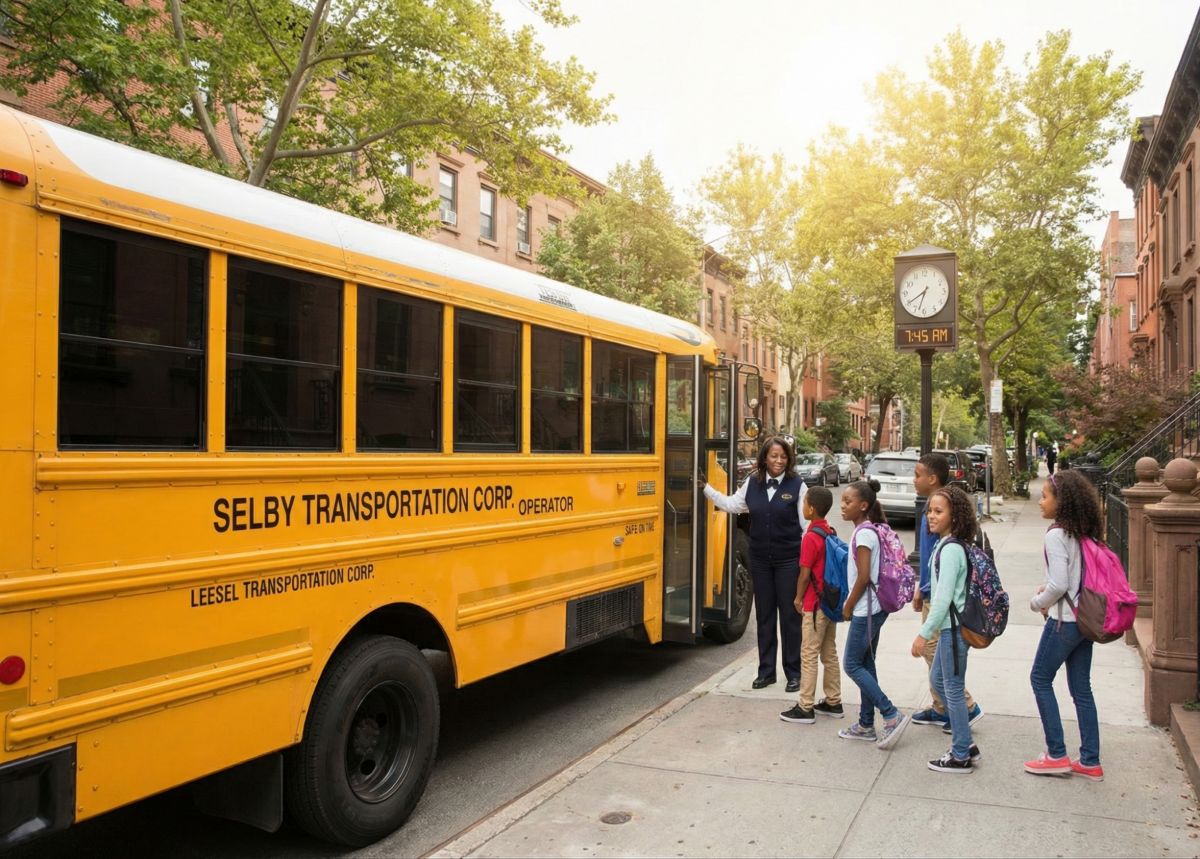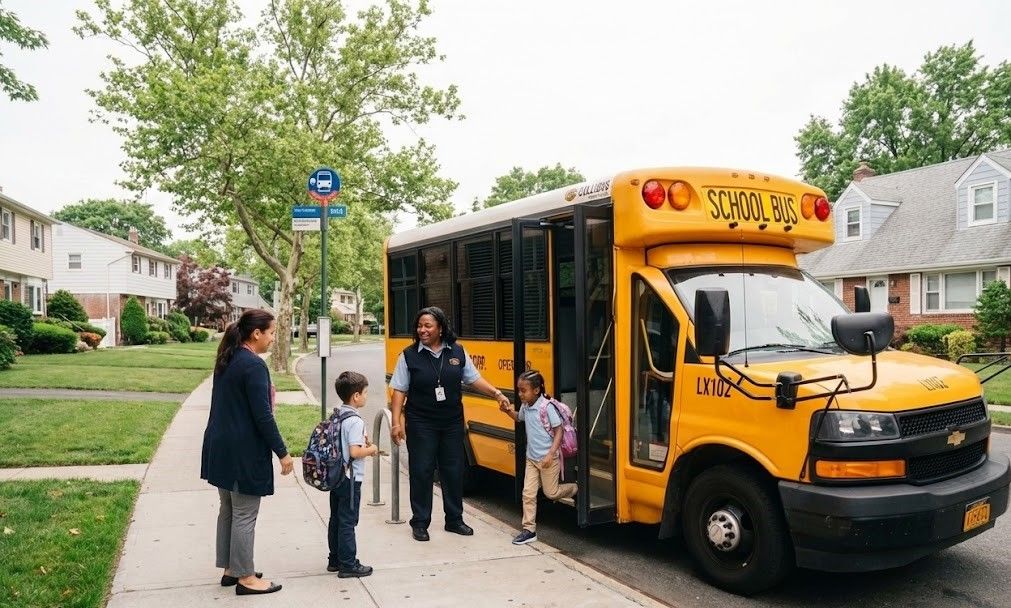
Winter in New York City brings unique challenges for school transportation: narrow streets, rapidly changing weather, snow removal priorities, and heavy pedestrian traffic. Planning ahead for NYC Winter Transportation Needs helps districts and private schools minimize delays, keep students safe, and maintain consistent service when weather turns harsh. Below are practical steps schools and transportation managers can take to be ready.
Start With a Preseason Winter Readiness Plan
- Create a dedicated winter transportation plan well before the first freeze. Assign roles for route planning, communications, vehicle readiness, and decision-making during snow events.
- Develop a timeline for inspections, driver training, contingency planning, and parent outreach so nothing is reactive.
Audit and Optimize Routes for Winter Conditions
- Review routes with winter-specific criteria: steep grades, narrow streets, bridges, locations that are slow to be plowed, and long walking segments for students.
- Identify alternate pickup/drop-off points that are easier to access when sidewalks or secondary streets are uncleared. Communicate any temporary changes to families well in advance.
- Reduce exposure to high-risk areas (busy intersections, unplowed alleys) and consolidate stops if needed to maintain safety and timeliness.
Prioritize Vehicle Maintenance and Winter Equipment
- Schedule thorough preseason maintenance: brakes, heating systems, battery health, tires, lights, defrosters, and fluid levels.
- Use winter-grade tires or chains where appropriate and within local regulations. Keep supplies on board: de-icer, snow brushes, first-aid kits, and emergency blankets.
- Maintain a spare fleet strategy or vendor backup so service can continue if some buses are unavailable.
Train Drivers and Staff for Winter Operations
- Provide driver training focused on winter driving techniques, student loading/unloading on icy surfaces, and recognizing hazardous conditions.
- Train route managers and dispatch on rerouting, holding patterns, and how to make timely decisions about delays or cancellations.
- Reinforce policies for student behavior in winter conditions (e.g., staying in designated areas, using handrails).
Build Clear, Multi-Channel Communication Plans
- Establish a rapid notification system to inform parents, staff, and schools of delays, route changes, or cancellations. Use email, SMS, phone trees, and school apps.
- Define who has authority to announce an adjusted schedule, and prepare template messages in advance for different scenarios.
- Include expectations for families—alternate pickup locations, arrival buffers, and how to track buses during snowy conditions.
Coordinate With Local Agencies and Vendors
- Liaise with city public works or local sanitation departments about snow-plow priorities and timing for the neighborhoods you serve.
- Vet school bus providers for NYC Winter Transportation Needs readiness: check experience in NYC winters, documented winter procedures, maintenance logs, insurance, and contingency staffing plans.
- Have agreements with alternate vendors or a larger fleet provider to cover shortages during prolonged storms.
Plan for Special-Needs Students and Medical Transport
- Ensure mobility devices are accommodated and that staff are trained in safe transfers in winter conditions.
- Confirm emergency plans for students who require medication or have medical devices; keep communication lines open with families and health staff.
Use Technology to Improve Reliability and Transparency
- GPS tracking, route optimization software, and real-time alerts reduce uncertainty and provide actionable info to dispatchers and families.
- Monitor traffic and weather feeds, and integrate them into decision-making for on-the-fly rerouting.
Create Clear Cancellation and Delayed-Start Protocols
- Define objective criteria for delays or cancellations (road closures, sustained ice, extreme wind chills) to avoid inconsistent decisions.
- Communicate these protocols to school leadership and families before winter arrives so expectations are known.
Run Drills, Review, and Iterate
- Conduct mock winter scenarios with drivers, dispatch, and school administrators. Practice re-routing, parent notifications, and emergency response.
- After storms, debrief to capture lessons learned and update the winter plan continuously.
Quick NYC winter readiness checklist
- Preseason vehicle inspection scheduled
- Driver winter training completed
- Updated route maps with alternate stops
- Multi-channel parent notification system tested
- Vendor contracts reviewed for winter coverage
- Special-needs accommodations verified
- GPS tracking and routing software active
- Emergency supplies stocked on buses
- Decision-making criteria for delays/cancellations documented
How Leesel Transportation Helps NYC Schools
Working with a reliable school bus partner makes a big difference preparing for NYC Winter Transportation Needs. Leesel Transportation has experience coordinating school bus services tailored to dense urban environments, helping schools build winter-ready routes, maintain vehicles, and communicate clearly with families.
If you want help building or reviewing your winter plan, Request a free quote or Call us today to get started with a free estimate.
Preparedness reduces delays, improves safety, and keeps students moving even during the worst of the season. If your school is finalizing winter plans, contact Leesel Transportation to discuss how we can support your NYC Winter Transportation Needs.