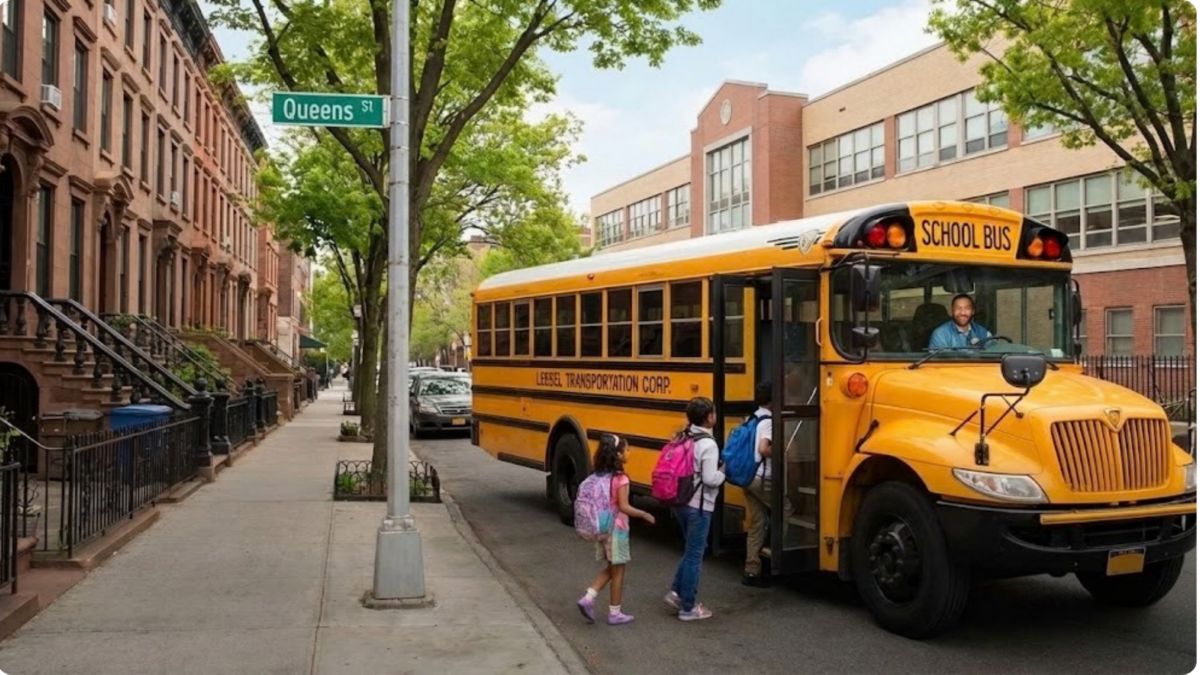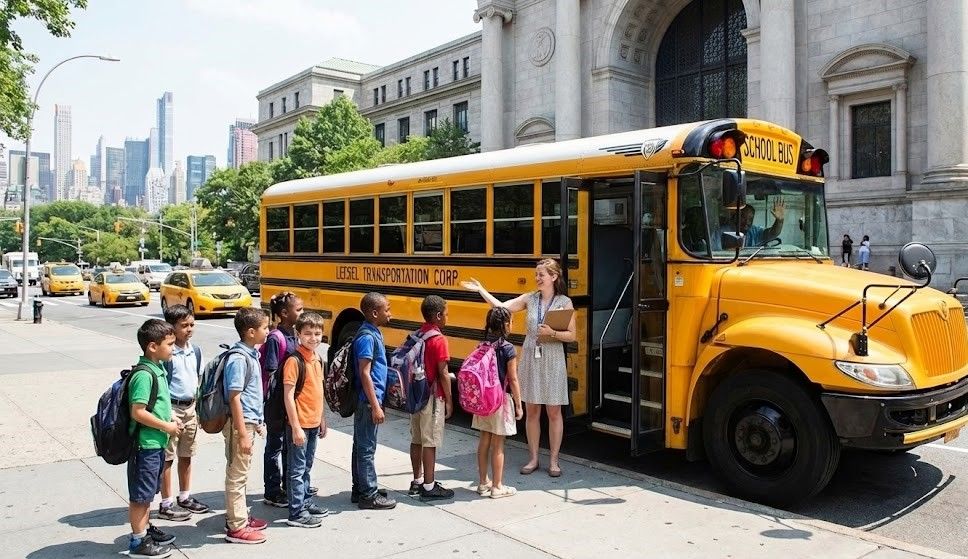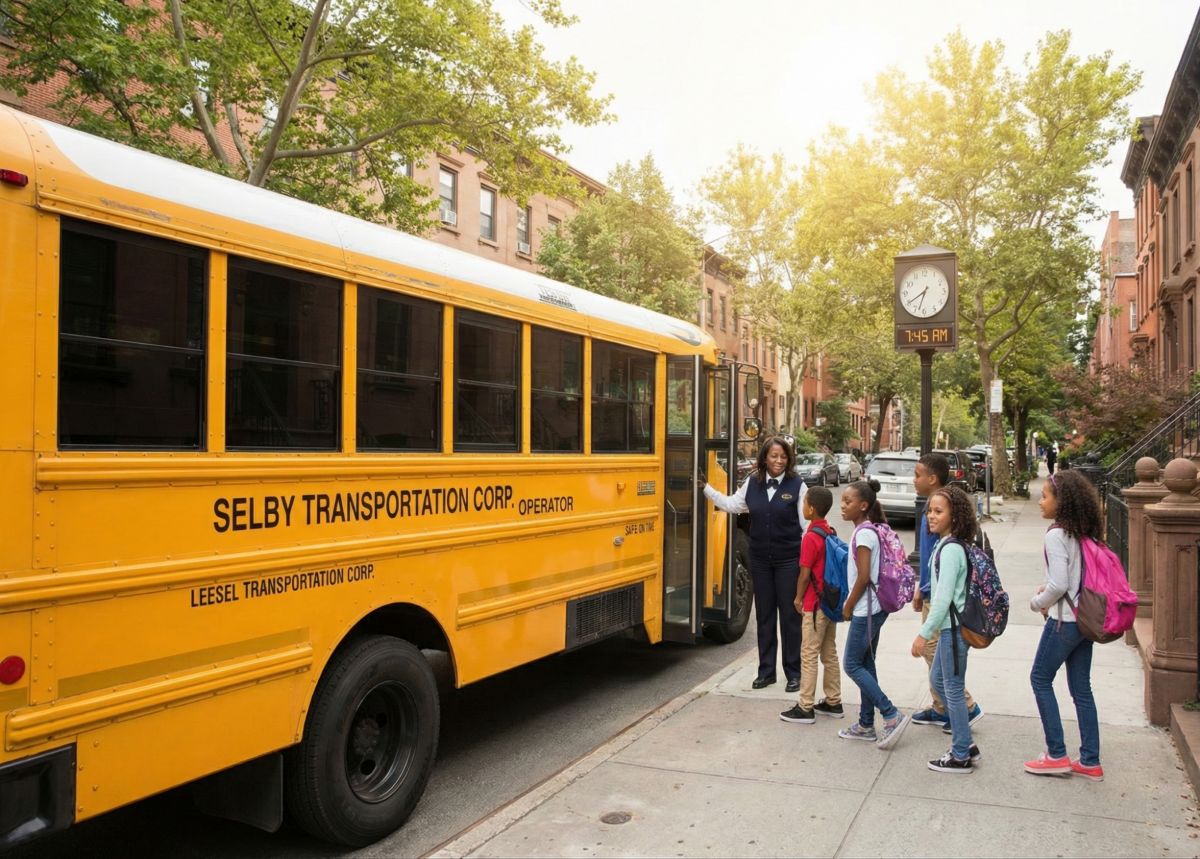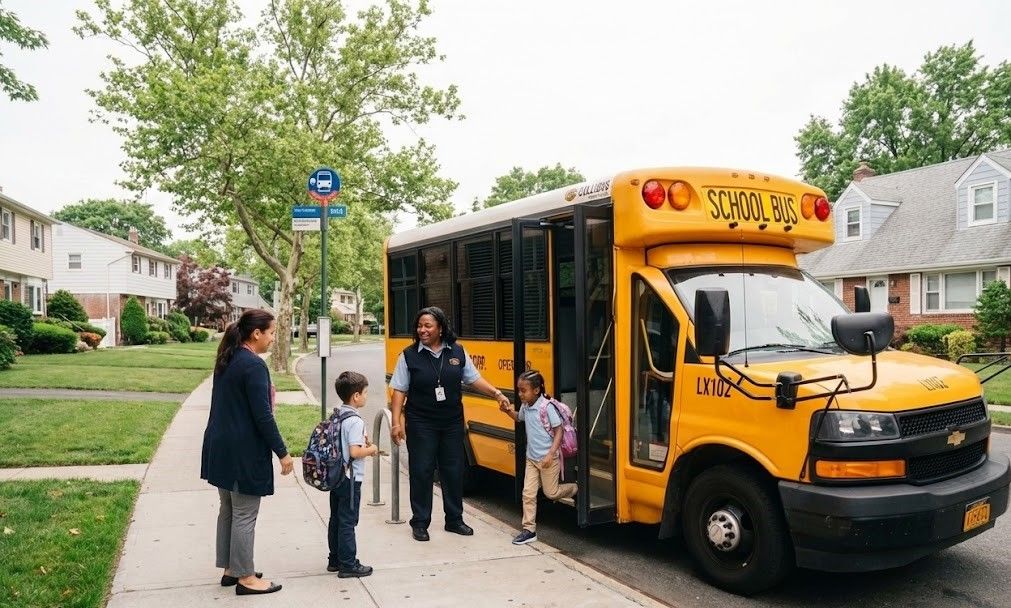
New York City winters can be harsh. Snow piles up on Brooklyn sidewalks. Wind rushes down Manhattan avenues. Side streets in Queens can turn icy. Even on cold, clear days, the streets stay busy with cars, trucks, and buses. For school leaders and parents, one question matters most. How do student transportation providers keep children safe on the road in winter?
This guide explains the key winter safety standards that trusted providers follow. It is written for NYC school administrators, teachers, field trip planners, after school program leaders, and parents who want safe and reliable student transportation.
Leesel Transportation has more than forty years of experience serving schools across New York City and the Tri State region. The company follows strong safety and training standards as part of the Beacon Mobility family. Here is what safe winter travel should look like for your students.
Daily Winter Safety Checks Before Every Route
In winter, a quick walk around the bus is not enough. A careful safety check needs to happen before every route, morning and afternoon.
Bus Inspection in Cold Weather
Student transportation providers should:
- Check tires for proper tread and air pressure so buses grip wet and icy streets
- Make sure brakes respond smoothly and do not pull to one side
- Confirm that headlights, brake lights, and flashing student lights all work
- Clear snow and ice from windows, mirrors, roofs, and steps
- Test defrosters and heaters so windows stay clear and students stay warm
These steps help keep buses safe when traveling near busy spots such as Grand Army Plaza in Brooklyn or along Queens Boulevard.
Safe Fuel and Battery Checks
Cold weather can turn small issues into big problems. Providers should:
- Keep fuel tanks at safe levels so buses do not run low in traffic
- Check batteries so buses start on very cold mornings
- Look for leaks or worn hoses that might fail in freezing temperatures
These checks help prevent breakdowns on routes to places like the American Museum of Natural History or the Bronx Zoo during winter field trips.
Careful Route Planning for Winter Conditions
Traffic in New York City is heavy year round. Winter adds ice, snow piles, and slower driving.
Adjusting Routes and Timing
Strong student transportation providers:
- Add extra travel time on cold, snowy, or icy days
- Avoid steep hills or streets that are slow to get plowed when possible
- Plan safe spots for loading and unloading away from large snowbanks
- Review routes after storms to avoid flooded or slushy corners
For example, a route to the Brooklyn Museum on Eastern Parkway may take longer on a snowy morning. Extra time helps buses move slowly and safely instead of rushing.
Coordinating with Schools and Programs
Good communication is part of winter safety. Providers should:
- Share plan changes with school offices and after school programs
- Give updated pick up and drop off times when roads are slow
- Coordinate with field trip planners on winter timing
Teachers heading to the New York Hall of Science in Queens or the Staten Island Zoo in cold weather need clear information. This helps everyone stay on schedule without pressure to hurry.
Safe Bus Loading and Unloading in Winter
Most slips and falls in winter happen outside the bus, not on the road. Careful loading helps keep students safe.
Clear and Safe Bus Stops
Student transportation providers should work with schools and parents to:
- Choose stops with sidewalks that can be shoveled and salted
- Avoid corners where snow piles block visibility
- Keep school loading zones clear of ice and snow
At school entrances along busy streets like Broadway in Manhattan or Fordham Road in the Bronx, safe loading zones are essential.
Step by Step Boarding
Drivers and attendants should:
- Remind students to use handrails when getting on and off
- Watch each student as they step onto the bus, especially younger children
- Help students with heavy winter coats and backpacks move safely in the aisle
- Remind students to walk, not run, near icy curbs
These small actions reduce accidents on cold, dark mornings.
Trained Drivers Who Know Winter Driving
A well trained driver is one of the most important winter safety standards.
Winter Driving Skills
Safe providers like Leesel Transportation train drivers to:
- Drive slower on wet, icy, or snowy streets
- Increase following distance behind other vehicles
- Brake gently to avoid skidding
- Turn carefully on wide city corners and tight side streets
- Watch for pedestrians who might slip into the roadway
This matters near crowded locations such as Times Square, Union Square, or near large schools at afternoon dismissal.
Understanding Student Needs
Drivers also learn to:
- Stay calm and speak clearly during delays
- Keep students informed if traffic is very slow
- Watch for students who may be extra cold, tired, or worried
Calm and confident drivers help students feel secure, even during snowstorms or on very cold mornings.
Winter Preparation for Special Needs Transportation
Students with special needs may require extra support in cold weather.
Student transportation providers should:
- Use lifts and securement devices that are checked and tested daily
- Ensure wheelchair areas stay dry and free of slush
- Allow extra time for careful boarding and seating
- Keep communication open with parents and school staff about any medical or sensory needs that may be affected by cold temperatures
These steps help make winter travel safe and dignified for every student.
Strong Communication With Families and Schools
In winter, clear communication is just as important as careful driving.
Real Time Updates
Providers should:
- Share delay information early when snow or ice slows traffic
- Provide simple ways for school staff to reach dispatch teams
- Work with schools to send messages to families about changes
Morning traffic into Manhattan over bridges and tunnels can be very slow after overnight snow. Quick updates help principals, teachers, and parents plan ahead.
Setting Clear Expectations
Before winter begins, student transportation providers can:
- Explain how they handle storms, delayed openings, and early dismissals
- Share safety rules for coats, hats, and seat behavior
- Remind families to arrive early at stops during winter since students need extra time to board
Knowing the plan reduces stress during busy winter weeks and holiday travel times.
Partnering With a Trusted NYC Transportation Provider
NYC parents and school staff want the same things in winter. They want safe buses, trained drivers, on time pick ups, and clear communication.
Leesel Transportation supports public and private schools, youth programs, and community organizations across the boroughs with:
- School bus transportation
- Special education transportation
- Charter and event transportation for trips and programs
From winter field trips to the Museum of the City of New York to after school programs in neighborhoods across Brooklyn, Queens, the Bronx, Manhattan, and Staten Island, strong winter safety standards make a real difference.
If you are a New York City school administrator, teacher, after school leader, or parent looking for safe and reliable winter student transportation, visit Leesel Transportation or contact the team to discuss your routes and needs. Partner with a provider that treats winter safety as a daily promise to your students.